
Congratulations, you’re having a baby! Let’s work together to make sure your baby is healthy.
First things first:
- It’s time to give up tobacco, alcohol, marijuana and any other recreational drugs
- Cut back on the caffeine (no more than two cups a day)
- Give up the hot tub until after your baby is born
- Start your prenatal vitamins and make sure they contain folic acid
- Clean up your diet – that means cutting back on processed foods with added sugar and saturated fats and add in more fruits, vegetables and whole grains as well as protein
Our OB-GYNs are conveniently located in Fairfield and Vacaville, providing comprehensive prenatal and maternity care services.
What to Expect
Your care begins with a nurse intake visit. During this appointment, we will review your health history, pregnancy details and lifestyle factors to help guide your care. Routine prenatal lab work will be ordered at this visit.
Some questions may be personal or sensitive, so we recommend joining this video visit from a private, quiet space. This visit typically takes about one hour.
This visit may be broken down into two separate appointments.
You will meet with one of our OB-GYNs or an advanced practice provider (APP, which are nurse practitioners, physician assistants or certified nurse midwives). We will:
- Review your medical, surgical and family history
- Review routine prenatal blood work
- Perform a physical exam
- Discuss your care plan moving forward
- Potentially perform an ultrasound to confirm dating or viability. A detailed ultrasound will be scheduled later in your pregnancy
One of our OB-GYNs or APPs will perform a physical exam and get you scheduled for the remainder of your prenatal visits.
You will see us monthly at this point. At these visits, we will monitor the progress of your pregnancy, measuring the growth of your baby and checking the fetal heart beats. When you are close to 20 weeks, you will have a more comprehensive ultrasound, which will allow us to make sure your baby is growing appropriately. Between 24 and 28 weeks, we will check your blood sugar level with a glucose tolerance test.
We will want to check on you every two weeks until 36 weeks, and then every week until you deliver. Your doctor or APP will continue to monitor your progress, checking your blood pressure, fetal heart beats, weight gain and the growth of your baby.
As you get closer to your due date, we will help you get ready for the big day, checking on the position of your baby and making sure you know what to expect during your labor and delivery. It’s also time to sign up for prenatal classes and start working on your birth plan. And don’t forget to choose a pediatrician for your new baby!
Our parenthood seminars, ranging from preparing for childbirth to caring for your newborn, are offered free of charge to moms who are planning their delivery at NorthBay Medical Center.
Frequently Asked Questions
We use a team-based approach to your care. While you may not see the same provider at every visit, all of our physicians and APPs work closely together and have full access to your medical record. This ensures your care is coordinated and consistent throughout your pregnancy.
If your pregnancy requires additional monitoring or specialized care, our providers will guide you every step of the way. We collaborate regularly with maternal-fetal medicine specialists, including partners at UCSF, and will refer you if a higher level of care is needed to ensure the safest outcome for you and your baby.
You can choose your pediatrician any time. The staff at Mother/Baby will help to schedule your baby's first pediatric appointment.
Learn about NorthBay Health’s pediatricians.
We strongly support breastfeeding and are proud to be a Baby-Friendly designated facility. We offer breastfeeding and newborn care classes led by lactation consultants. During your hospital stay, you may meet with a lactation consultant if needed to provide hands-on support and answer your questions.
You may have an early ultrasound at your first visit to help confirm your pregnancy and estimate your due date, although this is not always needed. A detailed anatomy ultrasound is typically scheduled around 20 weeks to assess your baby’s growth and development.
Yes, we do, depending on your medical history. Our prenatal providers will help you determine if a VBAC is right for you.
Yes, we recommend a prenatal vitamin with folic acid. We also recommend calcium and/or vitamin D if indicated.
If your pre-pregnancy weight is:
- Healthy: 25-35 lbs weight gain
- Underweight: 28-40 lbs weight gain
- Overweight: 15-25 lbs weight gain
- Obese: 11-20 lbs weight gain
Pregnancy or gestational diabetes (also known as GDM) is a type of diabetes that develops during pregnancy, usually during the second trimester. Approximately 7 percent to 14 percent of all pregnant women develop it. At the Center for Women’s Health, we perform a glucose screen for all pregnant women at 24-28 weeks of pregnancy to test for gestational diabetes.
If you are diagnosed with gestational diabetes, we’ll schedule you with a dietitian who works in our office who will help you learn ways to control your blood sugar and avoid complications during pregnancy and delivery.
You are at a higher risk for having gestational diabetes (GDM) again. We will order lab tests and monitor your blood sugar levels.
Yes. You will need to sign your authorization 30 days before you deliver. We recommend completing the paperwork at the beginning of your third trimester.

Download our family birth plan today.
New Mom Health — an excellent resource for new moms right after their babies are born.
Find the best doctor for you.
View providers specializing in obstetrics, gynecology, and neonatology in Vacaville and Fairfield.

Hospitalist,OB/GYN
OB/GYN
OB/GYN
OB/GYN,Robotic Surgery

OB/GYN

Hospitalist,OB/GYN
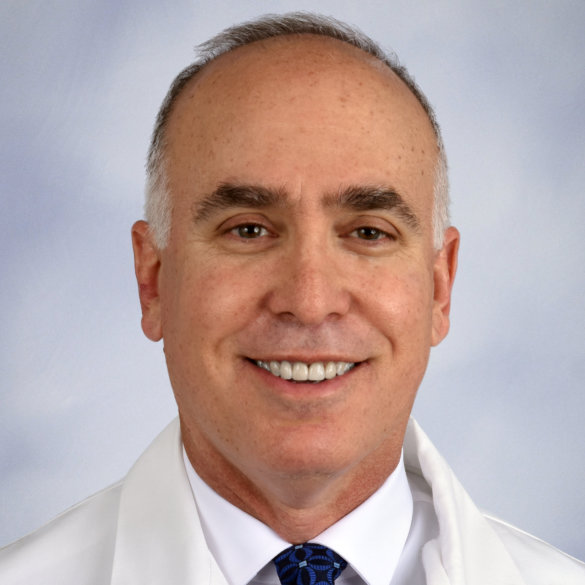
OB/GYN,Hospitalist
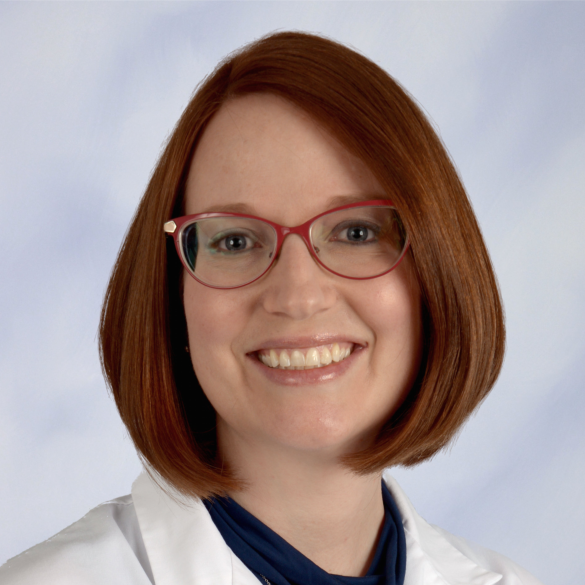
OB/GYN
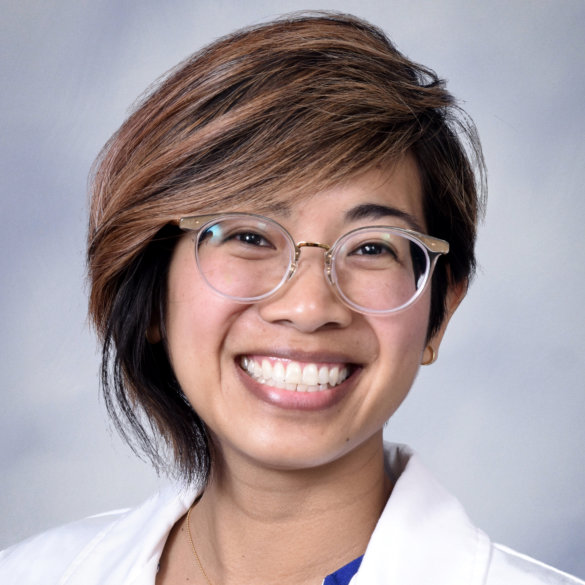
OB/GYN

OB/GYN

Neonatology
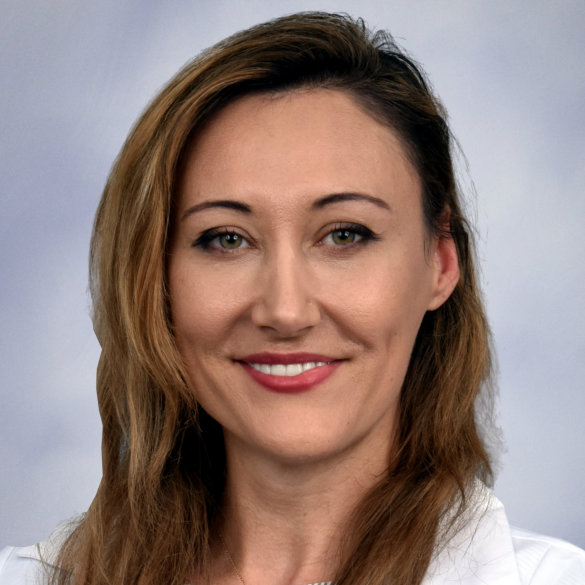
Neonatology

Neonatology

Neonatology,Hospitalist
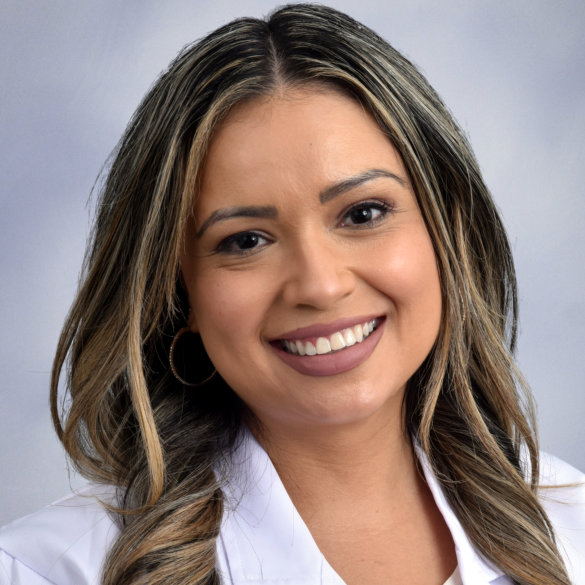
Advanced Health Practitioner,OB/GYN
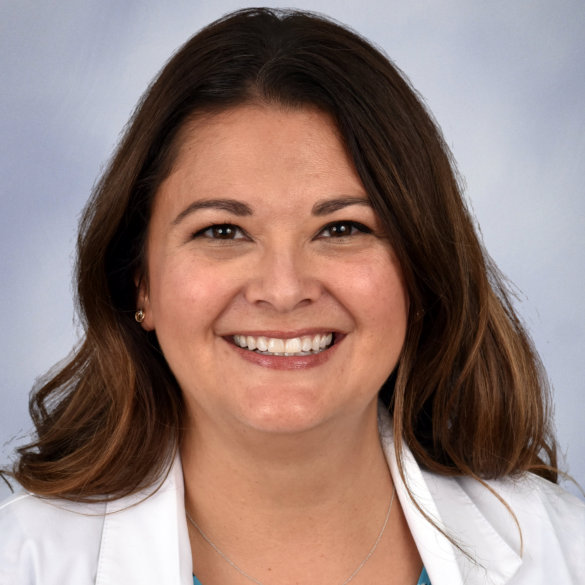
Advanced Health Practitioner,OB/GYN
    |