
Joint pain can make everyday movement difficult. NorthBay Health offers advanced joint replacement using the Mako Robotic-Arm Assisted Surgery System, helping surgeons plan and perform hip, knee and ankle procedures with a high level of accuracy.
This technology supports a more personalized approach to joint replacement, helping you move with less pain and return to daily life with confidence.
What Is the Mako Robotic System?
The Mako system is an advanced robotic-assisted technology used during joint replacement surgery. It does not replace your surgeon. Instead, it works as a tool that helps your surgeon plan your procedure and guide implant placement with precision.
Before surgery, your surgeon uses a CT scan to create a 3D model of your joint. This allows for a customized surgical plan based on your unique anatomy.
During surgery, the robotic arm assists your surgeon in making highly controlled movements, helping place the implant exactly where it is intended.
Conditions Treated With Mako Robotic-Assisted Surgery
Mako robotic-assisted technology is used to treat a range of joint conditions that cause pain, stiffness and reduced mobility. If these conditions are affecting your daily life and have not improved with non-surgical treatments, joint replacement using advanced technology may be an option.
Common conditions treated with robotic-assisted joint replacement include:
- Osteoarthritis: The most common reason for joint replacement, causing cartilage breakdown, pain, and stiffness in the hip, knee or ankle.
- Rheumatoid arthritis: An autoimmune condition that leads to joint inflammation, damage and loss of function over time.
- Post-traumatic arthritis: Arthritis that develops after an injury such as a fracture or ligament damage, often leading to long-term joint pain.
- Degenerative joint disease: Progressive wear and tear of the joint that can limit movement and affect quality of life.
- Joint deformities or misalignment: Structural changes in the joint that may impact walking, balance and overall mobility.
- Chronic joint pain not responding to conservative treatment: Persistent pain that has not improved with medication, injections, physical therapy or lifestyle changes.
- Loss of mobility or function: Difficulty walking, climbing stairs or performing everyday activities due to joint damage.
NorthBay Health orthopedic specialists evaluate your condition and symptoms to determine whether robotic-assisted joint replacement is the right approach for your care.
Find a NorthBay Health orthopedic specialistHow Mako Robotic-Assisted Surgery Works
Personalized Pre-Surgical Planning
Your surgeon creates a detailed 3D model of your joint to design a plan tailored specifically to your anatomy, condition and movement goals.
Precision During Surgery
The robotic arm provides real-time guidance, helping your surgeon stay within the planned area and avoid surrounding healthy tissue.
Controlled Implant Placement
This level of control helps ensure the implant is positioned and aligned as intended, which can support better joint function over time.
Procedures Using Mako Technology at NorthBay Health
NorthBay Health uses the Mako Robotic-Arm Assisted Surgery System to support precision and personalization across select joint replacement procedures. While each surgery is different, Mako technology helps your surgeon plan and perform each procedure with a high level of accuracy tailored to your anatomy.
During robotic-assisted hip replacement, Mako technology helps your surgeon create a personalized surgical plan based on a detailed 3D model of your hip joint.
This allows for more precise control over key factors such as implant size, positioning and joint alignment, which are critical to how the hip functions after surgery.
During the procedure, the robotic arm provides real-time guidance, helping your surgeon:
- Position the implant within a defined, pre-planned area
- Maintain consistent alignment throughout the procedure
- Adjust placement based on your anatomy and joint mechanics
This level of precision may help support joint stability, reduce the risk of dislocation, and improve your overall range of motion after surgery.
Knee replacement relies heavily on restoring the natural motion and balance of the joint. Mako technology allows your surgeon to plan and adjust the procedure based on how your knee moves, not just its structure.
Before surgery, your surgeon uses a 3D model to evaluate joint damage and create a plan that considers ligament balance, joint spacing and alignment.
During surgery, the robotic system helps guide bone preparation and implant placement with precision, allowing your surgeon to:
- Make highly controlled adjustments to match your knee’s natural movement
- Maintain proper soft tissue balance throughout the procedure
- Fine-tune implant positioning in real time
This approach may help improve knee stability, comfort during movement and overall function following surgery.
The ankle is a smaller, more complex joint that requires precise alignment to support balance and walking mechanics. Mako technology helps your surgeon plan and execute ankle replacement with a high level of control.
Using advanced imaging, your surgeon develops a personalized surgical plan that accounts for bone structure, joint alignment and surrounding anatomy.
During the procedure, the robotic system assists by:
This precision is especially important in ankle replacement, where even small variations can affect stability, weight distribution and long-term joint performance.
Benefits of Mako Robotic-Assisted Joint Replacement
Mako technology supports a more personalized and precise surgical experience. Depending on your condition and procedure, potential benefits may include:
- Personalized treatment planning based on your unique anatomy
- Greater surgical precision during implant placement
- Improved joint alignment, supporting natural movement
- Smaller incisions in select cases, which may reduce tissue disruption
- Potential for faster recovery and return to daily activities
- Reduced pain after surgery for some patients
Your orthopedic surgeon will determine whether robotic-assisted surgery is appropriate for your needs.
Why Choose NorthBay Health for Robotic Joint Replacement
NorthBay Health combines advanced technology with personalized orthopedic care to support your recovery at every stage.
Patients choose NorthBay Health for robotic-assisted joint replacement because we offer:
- Trusted local orthopedic specialists helping you move without pain
- Robotic-assisted joint replacement using Mako technology, supporting precision and personalized care
- Comprehensive care from diagnosis through rehabilitation, with plans tailored to your goals
- Minimally invasive techniques when appropriate, helping reduce recovery time and discomfort
- Experienced surgical teams performing a high volume of orthopedic procedures
- State-of-the-art operating rooms equipped for advanced technology
- Coordinated recovery support, including physical therapy and patient education
- Convenient care in Vacaville and Fairfield, between the Bay and the Valley
This combination of technology and coordinated care helps create a smoother experience from your first visit through recovery.
What to Expect With Robotic-Assisted Joint
NorthBay Health supports you through every stage of care, helping you understand the process and feel prepared.
Learn more about NorthBay Health orthopedic support services.
You’ll receive a full evaluation, imaging and a personalized surgical plan using advanced 3D modeling. Your care team will walk you through preparation and answer your questions.
Your surgeon performs the procedure using the Mako system to guide precision and implant placement. Your care team monitors you closely throughout.
Recovery typically begins soon after surgery, often including early movement and guided physical therapy. Your care team will support you with a recovery plan tailored to your procedure and goals.
Is Mako Robotic Surgery Right for You?
Robotic-assisted joint replacement may be recommended for patients with:
- Advanced arthritis or joint damage
- Chronic joint pain affecting daily activities
- Limited mobility that has not improved with non-surgical treatment
Not all patients are candidates. Your orthopedic specialist will evaluate your condition and recommend the treatment option that best fits your needs.
Mako Robotic Surgery FAQs
No. In robotic-assisted joint replacement, your orthopedic surgeon performs the surgery and remains in full control at all times. The Mako Robotic-Arm Assisted Surgery System is a tool that helps your surgeon plan the procedure and guide movements with precision during surgery. It does not make decisions or operate on its own. Instead, it supports your surgeon’s expertise by providing real-time feedback and enhanced control.
Robotic-assisted joint replacement is designed to support greater precision and consistency during surgery, which may contribute to improved outcomes for some patients. The technology allows surgeons to plan procedures and make controlled adjustments during surgery, helping protect surrounding bone and tissue. While every surgery carries some level of risk, robotic assistance can help reduce variability in key parts of the procedure. Your orthopedic specialist will explain the benefits and risks based on your individual condition.
Many patients begin returning to daily activities within several weeks, with continued improvement over the following months. Recovery timelines depend on your overall health, procedure type and participation in rehabilitation.
Robotic-assisted joint replacement may support a smoother recovery experience for some patients, but recovery timelines vary based on the type of procedure, overall health and rehabilitation progress. The precision of robotic technology may help reduce disruption to surrounding tissue, which can play a role in early mobility and comfort after surgery. Many patients begin moving shortly after their procedure and continue improving over several weeks to months. Your care team will provide a recovery plan tailored to your needs and goals.
Yes. Physical therapy is an essential part of recovery after robotic-assisted joint replacement and helps restore strength, flexibility and joint function. Even with advanced technology like Mako, rehabilitation is necessary to help your body adapt to the new joint and regain movement. Therapy often begins soon after surgery and continues for several weeks, depending on your progress. Your care team will guide you through a personalized therapy plan to support a safe and successful recovery.
Get Back to Movement With Precision Joint Care
Advanced joint replacement using robotic-assisted technology can help reduce pain and restore mobility. NorthBay Health orthopedic specialists are here to guide you every step of the way.
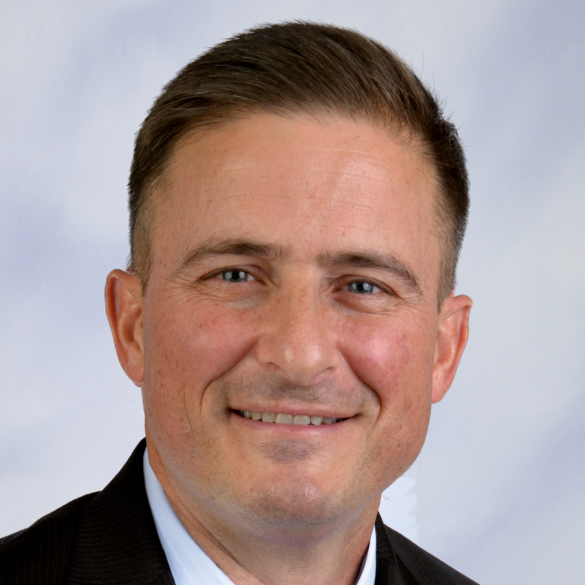
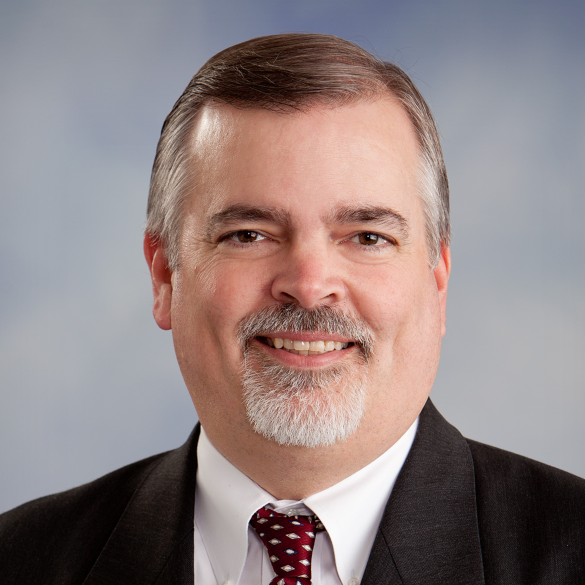
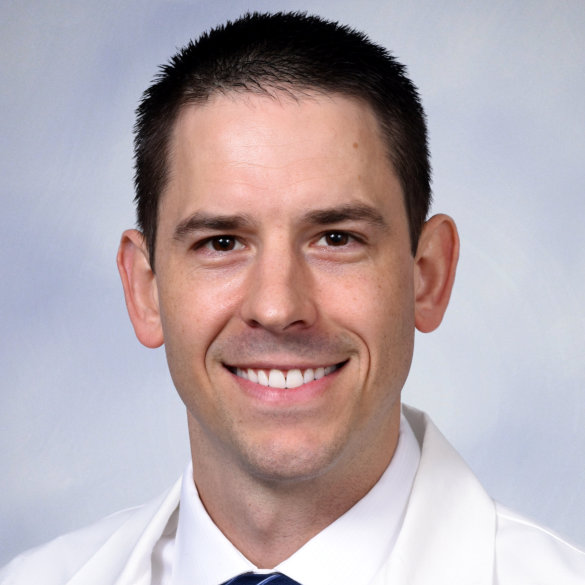
Find the best doctor for you.
View providers specializing in joint replacement orthopedics in Vacaville.

Joint Replacement,Orthopedics,Sports Medicine

Joint Replacement,Orthopedics
Podiatry,Foot & Ankle Surgery,Joint Replacement,Wound Care,Orthopedics
Orthopedics,Sports Medicine,Shoulder Surgery,Joint Replacement
Orthopedics,Sports Medicine,Foot & Ankle Surgery,Podiatry
   |